Balancing Renovation Costs and Contractor Partnerships for Maximum Property Value
3 min read
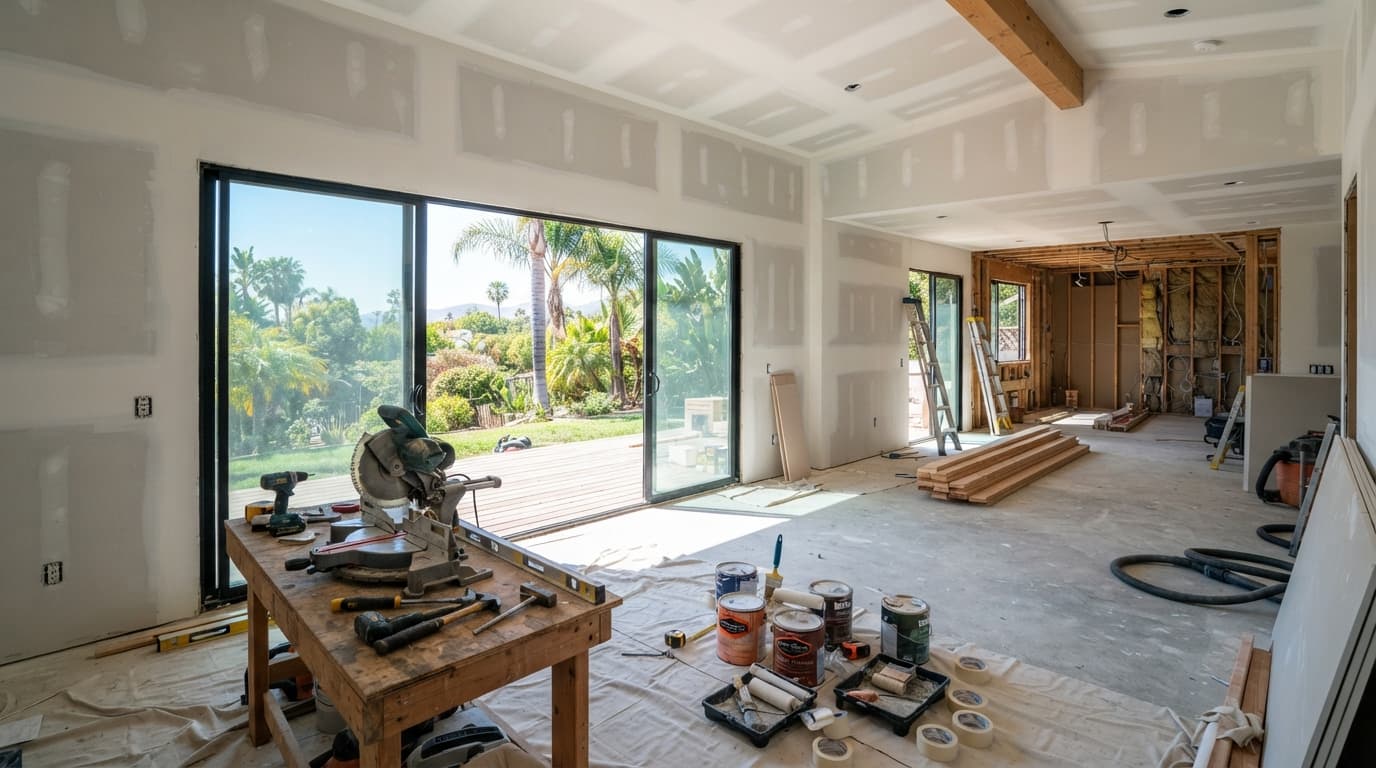
Strong renovation results depend on the right scope, a realistic budget and a trustworthy contractor. Learn how to protect both your money and your timeline.
A renovation can improve how a home looks, functions and sells, but poor planning can erode the benefits quickly. Costs rise, schedules slip and quality varies. The balance between budget, scope and contractor relationships often decides whether a project adds value or becomes a headache. Here is how to manage each piece with care.
Define the Scope Before You Hire
Start with a clear list of what must be done, what would be nice to do and what can wait. Tie each item to a goal: fix a problem, improve appeal or increase function. If you plan to sell, focus on updates that buyers will notice and that fit your price range. Avoid scope creep, which happens when a project expands step by step without a corresponding plan for cost and time.
Build a Realistic Budget
Obtain written bids from multiple contractors based on the same scope. Compare the details, not just the totals. Include a contingency of at least ten to twenty percent for unexpected conditions, particularly in older homes where hidden issues may be uncovered once walls are opened. Remember to budget for permits, design fees, materials, disposal and temporary living arrangements if needed.
Choose a Contractor Carefully
A good contractor is a partner, not just a vendor. Look for:
- A valid California contractor license. Verify it with the state licensing board and check the license class, status and any complaints or bond information.
- Insurance. Confirm general liability coverage and workers' compensation.
- Experience with projects similar to yours.
- References and recent work you can visit or review.
- Clear communication and willingness to answer questions.
Be cautious about extremely low bids or requests for large upfront payments. California law limits down payments on home improvement contracts, so review the current requirements.
Insist on a Detailed Contract
A written contract should specify the scope of work, materials and brands, a payment schedule tied to progress, start and completion dates, change order procedures, warranty terms and responsibilities for permits and cleanup. Vague contracts lead to disputes. Keep copies of all documents and communications.
Get Permits and Inspections
Permits protect you and the future buyer. They help confirm that work meets building and safety codes. Unpermitted work can lead to problems at sale, including delays, appraisal issues and negotiation leverage for buyers. Confirm who is responsible for obtaining permits, and retain sign-off documents.
Manage Payments and Change Orders
Pay according to the schedule and completed milestones, and hold back a final portion until the work is complete and you have inspected it. Document any change orders in writing, with their cost and effect on the schedule. Avoid verbal agreements, which are hard to prove later.
Stay Involved Without Micromanaging
Visit the site regularly, take photos and keep a punch list of items to fix. Communicate concerns promptly and respectfully. Regular check-ins help catch small issues before they become expensive. Respect the contractor's expertise, and ask for explanations when decisions affect cost or quality.
Protect Your Timeline
If you are preparing to sell, build buffer time into your schedule. Material delays, weather and inspection scheduling can all push dates back. Ask the contractor for a realistic timeline and for notice of anything that could cause delays. Do not list the property until the work is finished and the home is photo-ready.
Weigh Cost Against Value
Compare each project's cost with how it might affect sale price, marketability or your own enjoyment. Review recent sales and talk with a local agent about what buyers in your area expect. Some improvements deliver a stronger return than others, and not every upgrade is worth doing before a sale.
Keep Records
Save contracts, invoices, warranties, permits and before-and-after photos. These documents support your home's story and may be valuable to buyers, appraisers and insurers.
Plan With Purpose
Before you commit to a project, schedule a private market conversation. We will discuss which improvements are likely to support your sale goals and how to structure the plan around your budget and timeline.
This article is general information only. Costs, timelines and returns vary and are not guaranteed. Verify contractor licensing and legal requirements for your project.
- #renovation costs
- #contractors
- #presale renovation
- #property value
- #Southern California
This article is general information, not legal, tax, or financial advice. Consult a qualified professional about your situation.
Have a question about your own property? Karen will follow up personally.
Schedule a Private Market Conversation Explore Karen's services