Southern California Neighborhood Spotlight: Key Factors Before Moving
3 min read
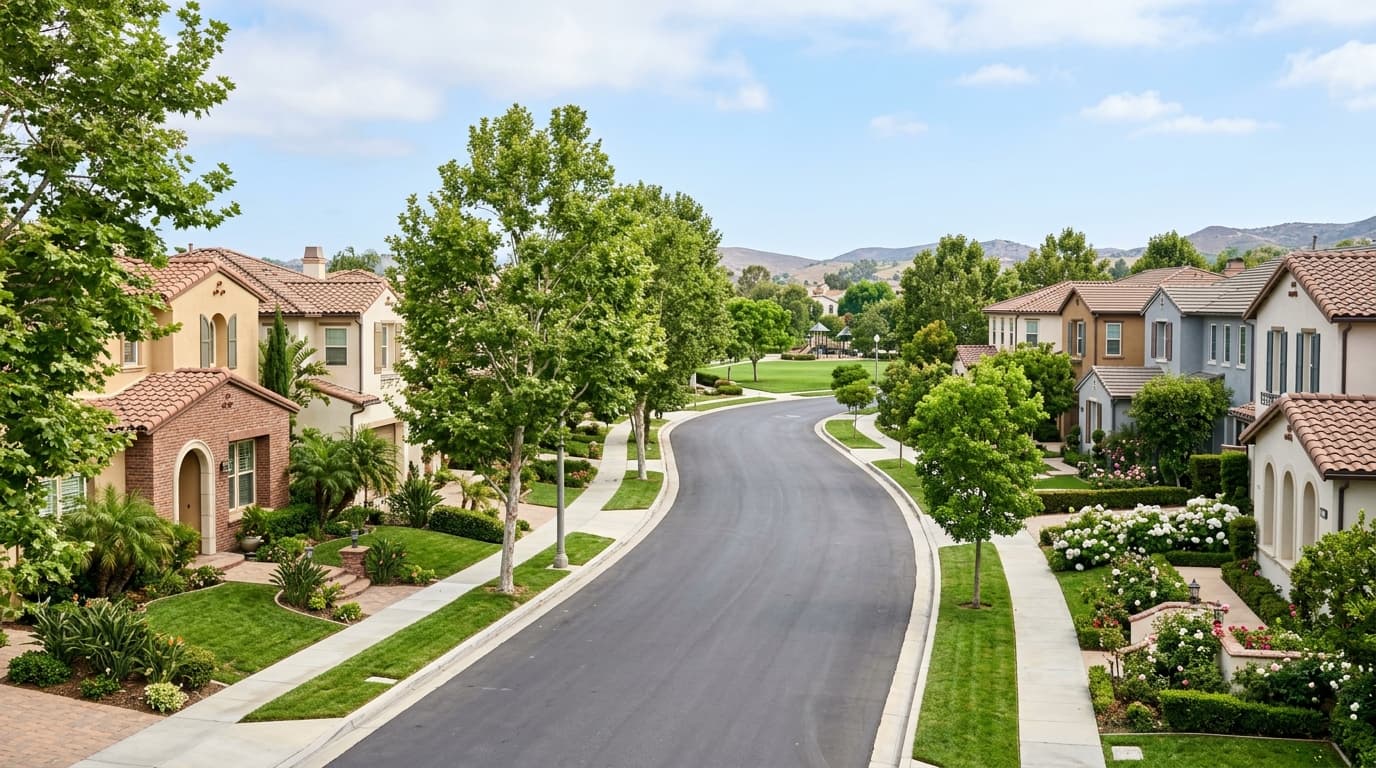
Choosing where to live is as important as choosing what to buy. Use these practical factors to evaluate any Southern California neighborhood.
In Southern California, two homes with the same price and square footage can offer very different daily lives depending on where they sit. Traffic patterns, microclimates, local services, infrastructure and community character vary block by block. Evaluating a neighborhood thoughtfully can be just as important as inspecting the house itself. Here is a practical framework you can apply to any area on your list.
Start With Daily Logistics
Test the lifestyle, not just the address. Drive your real commute at the actual hours you would travel, on a weekday and again on a weekend. Southern California traffic can turn a ten-mile distance into a long trip, and the difference between a freeway on-ramp that flows and one that does not is hard to see on a map.
Also consider access to everyday needs: grocery stores, pharmacies, medical offices, fuel and public transit. Note how far the nearest options are and how easy they are to reach.
Understand the Cost Beyond the Price
Neighborhood costs extend past the purchase price. Look into:
- Property taxes and special assessments: Some communities carry additional local assessments or Mello-Roos taxes that add to annual costs.
- HOA dues: Check what they cover, how they have changed and the health of the association's reserves.
- Insurance: Premiums and availability can vary based on location and risk factors such as wildfire exposure or flood zones.
- Utilities: Rates and typical usage can differ by provider and climate zone.
Ask your lender and insurance agent for estimates early so these numbers are in your budget from the beginning.
Look at Environmental and Infrastructure Factors
Southern California offers beautiful settings, and each comes with considerations. Review publicly available hazard maps for fire, flood and earthquake-related zones. Notice the condition of streets, sidewalks, street lighting and drainage. Ask about planned road projects, new developments or zoning changes that could affect noise, traffic or views over time. City planning departments post upcoming projects, and many hold public meetings.
Check Schools and Services Responsibly
If schools matter to your family, research official school district boundaries, state-published performance data and enrollment policies directly from the district. Visit campuses if you can. Boundaries can change, so verify the details independently. Beyond schools, consider parks, libraries, recreation centers and community programs that contribute to everyday life.
Visit at Different Times
One showing on a sunny Saturday afternoon only tells you so much. Walk the neighborhood in the morning, at dusk and on a weekday evening. Pay attention to noise, parking, lighting and how well properties are maintained. Sit in a local coffee shop or park and observe how the area is used. These simple visits reveal a great deal about day-to-day life.
Talk to the People Who Know
Local residents, neighborhood associations and community groups can share what it is actually like to live somewhere. Ask what they enjoy, what frustrates them and what has changed in recent years. Combine that with insights from professionals who work in the area regularly.
Think About Long-Term Fit
Consider where you might be in five or ten years. Will the home and neighborhood still work if your household grows, your work arrangement changes or you want to downsize? Neighborhoods with a mix of amenities, healthy maintenance and steady community engagement tend to give you more flexibility down the road. Focus on objective factors such as access, services, condition and costs rather than assumptions about who lives there.
A Simple Neighborhood Scorecard
Create a short list of five to seven factors that matter most to you, such as commute, total monthly cost, outdoor access, services and condition of surrounding homes. Rate each neighborhood on a one-to-five scale. The scorecard keeps emotion in check and makes comparisons clearer.
Keep Going
Our Property Decision Checklist includes a neighborhood scorecard you can print and carry to every showing. Download it and use it to compare your top choices side by side.
This article is for general information only. Please verify school boundaries, hazard zones, taxes and local regulations with official sources before making decisions.
- #neighborhood guide
- #Southern California
- #relocation
- #community research
- #home buying
This article is general information, not legal, tax, or financial advice. Consult a qualified professional about your situation.
Have a question about your own property? Karen will follow up personally.
Download The Property Decision Checklist