Southern California Property Taxes and Closing Cost Breakdowns
3 min read
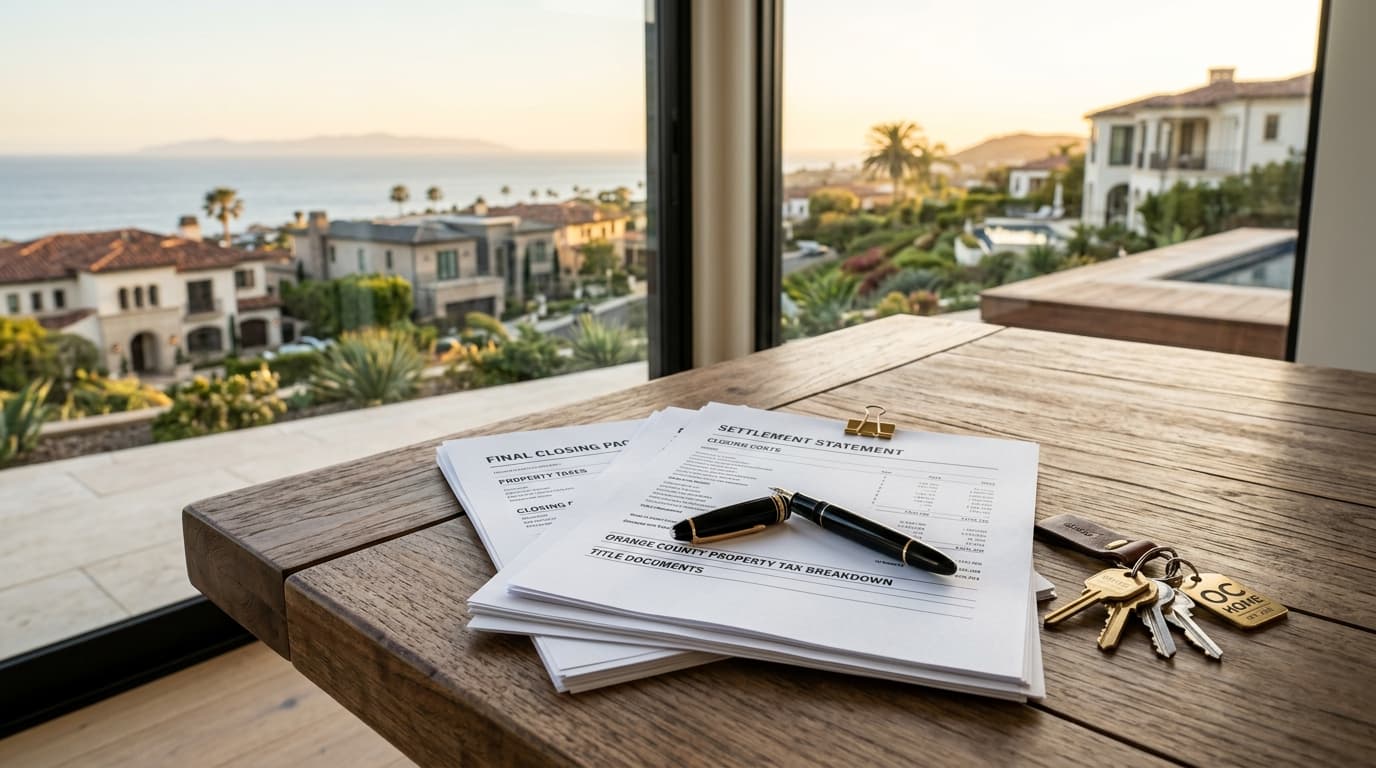
Understand how property taxes work in California and what to expect in closing costs so your budget reflects the full picture.
Two of the most common surprises for homebuyers are property taxes and closing costs. Both are predictable if you know what to look for. This article explains the basics so you can build a more accurate budget and avoid last-minute shocks.
How California Property Taxes Work
California property taxes are governed largely by Proposition 13. In general, the base tax rate is capped at one percent of the assessed value, plus voter-approved bonds, special assessments and local fees, so the total effective rate in many areas is somewhat higher than one percent. The exact amount depends on your address.
The assessed value is typically set at the purchase price when you buy, and it may increase by no more than two percent per year under state law, unless there is new construction or a change in ownership. This means two similar homes next door to each other can have very different tax bills if they were purchased at different times.
Supplemental Tax Bills
After you buy, the county assessor reassesses the property, and you may receive a supplemental tax bill reflecting the difference between the previous assessed value and the new one. This bill is separate from your regular annual bill and may not be included in your mortgage escrow, so be prepared for it.
Special Assessments and Mello-Roos
Some communities have additional charges, such as Mello-Roos community facilities district taxes or other special assessments that fund infrastructure and services. These are shown on the tax bill and can add significantly to annual costs. Review the preliminary title report and request a tax estimate from your agent or title company early in the process.
Closing Costs for Buyers
Buyer closing costs typically range from a few percent of the purchase price, though they vary by transaction. Common items include:
- Lender fees: Origination, underwriting and processing charges.
- Appraisal and credit report fees.
- Title insurance and escrow fees.
- Recording fees.
- Prepaid items: Homeowners insurance premiums, property tax installments and prepaid mortgage interest.
- Inspection costs: Home inspection, pest inspection and any specialty reports.
Your lender must provide a Loan Estimate shortly after you apply, and a Closing Disclosure at least three business days before closing. Compare them line by line to catch changes.
Seller Costs
Sellers typically pay agent commissions as negotiated, the county documentary transfer tax, which is generally $1.10 per $1,000 of value, and some cities add their own transfer tax on top. Sellers may also pay for title insurance, escrow fees, repairs and credits agreed upon in negotiation. Customary payment arrangements vary by county, so confirm local practice.
Ways to Manage Closing Costs
Options may include negotiating seller credits, choosing lender credits in exchange for a slightly higher rate, shopping for services that are not required to come from a specific provider and timing your closing date to optimize prepaid interest. Each approach has trade-offs, so review them with your lender.
Prop 19 and Changes in Ownership
State rules on reassessment, including those related to transfers between family members and to homeowners moving to a replacement home, are complex. If you are 55 or older, severely disabled or affected by a disaster, you may have options to transfer your existing tax base under certain conditions. Consult a qualified professional to understand eligibility.
Create a Cash-to-Close Estimate
Add your down payment, estimated closing costs, prepaid items and reserves. Then add a cushion for moving and immediate repairs. Having a clear total helps you decide how much to offer and how to structure your financing.
Know Before You Go
Our Property Decision Checklist includes a closing cost worksheet with common California line items. Download it and use it when you meet with your lender and escrow officer.
This article is for general information only and is not tax, legal or financial advice. Rates and rules change; confirm details with the county assessor, a tax professional or your escrow officer.
- #property tax
- #closing costs
- #escrow
- #Proposition 13
- #Southern California
This article is general information, not legal, tax, or financial advice. Consult a qualified professional about your situation.
Have a question about your own property? Karen will follow up personally.
Download The Property Decision Checklist Explore Karen's services